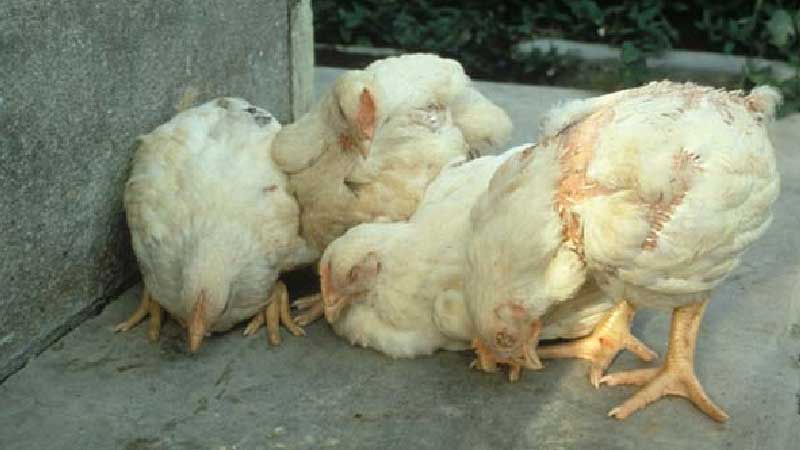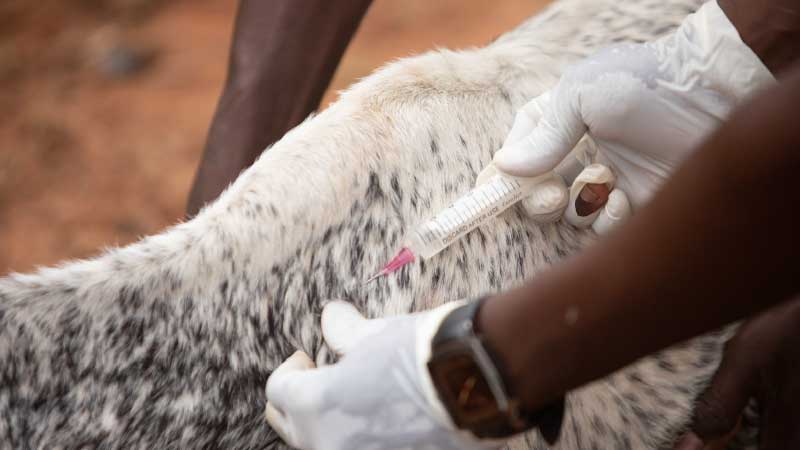
A disease outbreak is the single most terrifying event a farmer can face. You walk into the poultry house at 6 AM and find 12 birds dead - and 30 more looking sick. By the end of the day, 80 are dead. By the end of the week, without the right actions, you lose the entire flock. The first 24 hours matter more than the next 24 days. This article is the emergency playbook for the 6 most common disease outbreaks in African livestock farms - what to do, in what order, to save what can be saved.
The first 24 hours: the universal protocol
Regardless of which disease is causing the outbreak, the first 24 hours follow the same protocol. Memorize this:
- Hour 0-2: Isolate and observe. Do NOT move sick birds to a different house - that spreads the pathogen. Instead, mark the affected pen with red tape, restrict all human traffic to that area, and observe closely: how many sick, how many dead in the last 24 hours, what are the symptoms (respiratory, digestive, nervous, skin), age of affected birds.
- Hour 2-4: Call for diagnosis. Call a veterinarian or the nearest veterinary laboratory. Describe symptoms precisely. If possible, take 2-3 freshly dead birds (in a sealed plastic bag, kept cool but not frozen) to the lab for necropsy. Do NOT freeze them - freezing destroys some pathogens and makes diagnosis harder.
- Hour 4-12: Stop all movements. No birds leave the farm. No birds enter the farm. No eggs, no feed bags, no equipment leaves the affected pen. Workers do not move between pens. Shoes are disinfected at every transition. The farm is in lockdown.
- Hour 12-24: Begin supportive treatment. While waiting for diagnosis: provide electrolytes + vitamin C in drinking water to all birds in the affected pen (and adjacent pens). This supports the immune system and helps birds that are still healthy fight off the pathogen. Do NOT administer antibiotics blindly - you may make the situation worse.
- Hour 24+: Apply the specific protocol below based on the diagnosed disease.
Disease 1: Newcastle Disease (poultry)
Newcastle is the most devastating poultry disease in Africa. It kills 80-100 percent of unvaccinated flocks within 7-10 days. Symptoms: sudden drop in egg production, twisted necks (torticollis), greenish diarrhea, respiratory distress, sudden death with no prior symptoms.
Action protocol:
- Confirm diagnosis (lab necropsy or characteristic symptoms in unvaccinated flock).
- Vaccinate ALL apparently healthy birds immediately with La Sota strain in drinking water. This will not save already-sick birds, but it can save the 60-80 percent of the flock that has not yet shown symptoms. Time is critical - vaccinate within 24 hours of suspicion.
- Cull all birds showing nervous symptoms (twisted neck, paralysis) - they will not recover and they shed massive amounts of virus.
- Burn or deep-bury all dead birds immediately. The virus persists in carcasses for months.
- Quarantine the farm for 21 days minimum. No birds or eggs leave.
- After the outbreak: completely depopulate, clean, disinfect, and rest the house for 30 days before restocking. Re-vaccinate the new flock on day 7 and day 21.
Disease 2: African Swine Fever (pigs)
ASF is the worst pig disease in Africa - and there is NO vaccine and NO treatment. Mortality is 90-100 percent. Symptoms: high fever (41-42C), loss of appetite, red/blotchy skin (especially ears, abdomen, legs), difficulty breathing, vomiting, diarrhea (sometimes bloody), death within 7-10 days of first symptoms.
Action protocol:
- Confirm diagnosis immediately through the national veterinary service. ASF is a notifiable disease in most countries.
- There is no treatment. Cull all pigs in the affected pen AND in adjacent pens that have had any contact (airborne or via workers). This is brutal but it is the only way to save pigs in other houses.
- Burn or deep-bury all carcasses with quicklime. The virus persists in pork products and in the environment for months.
- Disinfect the entire farm with strong alkali (sodium hydroxide 2%) or chlorine. The ASF virus is unusually resistant - ordinary disinfectants may not work.
- Rest the farm for 90 days minimum. Do NOT restock until veterinary authorities confirm it is safe.
- Notify all neighboring pig farmers within 5km. They need to take immediate biosecurity measures.
- Investigate the source: was itinerant pigs, contaminated feed, a worker who visited another farm, wild pigs (warthogs carry ASF)? Identify and eliminate the source before restocking.
Disease 3: Coccidiosis (poultry and young pigs)
Coccidiosis is the most common cause of mortality in young poultry (3-16 weeks) and is also serious in weaned piglets. Symptoms: bloody or dark diarrhea, ruffled feathers, hunched posture, weight loss, pale comb/wattles (anemia), 10-30 percent mortality in untreated flocks.
Action protocol:
- Confirm with fecal flotation test at a lab (or treat presumptively based on bloody diarrhea + age group).
- Treat all birds in the affected pen with amprolium in drinking water (20% solution at 1ml per liter for 5-7 days). Or use toltrazuril (Baycox) at 7mg/kg body weight once.
- Remove wet litter immediately - coccidia thrive in moist conditions. Replace with dry, clean litter.
- Add a coccidiostat to the feed going forward (especially for birds 3-16 weeks old) - diclazuril or monensin depending on local availability.
- Improve drinker management (no leaks, no wet litter). Coccidiosis is a management disease - it recurs if conditions do not change.
- Survivors often have permanent intestinal damage and reduced growth/production. Consider culling severely affected birds rather than treating.
Disease 4: Gumboro (Infectious Bursal Disease, poultry)
Gumboro affects birds 3-6 weeks old and causes 20-50 percent mortality. Symptoms: sudden death, depression, white/watery diarrhea, vent pecking (birds pecking at their own cloaca), trembling. Survivors have permanent immune system damage and respond poorly to future vaccinations.
Action protocol:
- Confirm diagnosis. There is no specific treatment - the disease must run its course (5-7 days).
- Provide supportive care: electrolytes + glucose + vitamin C in drinking water. Reduce stress. Lower the temperature slightly (sick birds overheat easily).
- Antibiotics are useless against the virus but may be needed to prevent secondary bacterial infections. Use only if mortality is climbing after day 5.
- Vaccinate the NEXT batch properly: intermediate vaccine at day 7 and booster at day 14-21, administered in drinking water. The current outbreak indicates your vaccination program failed - fix it before the next batch.
- Cull survivors that are severely stunted - they will never be productive.
Disease 5: E. coli infections (poultry)
E. coli causes colibacillosis - respiratory infection, omphalitis (yolk sac infection in chicks), or systemic infection. Symptoms vary but commonly: respiratory distress, swollen abdomen, lameness (joint infection), 5-15 percent mortality.
Action protocol:
- Confirm with bacterial culture and antibiotic sensitivity test at a lab. E. coli is notorious for antibiotic resistance - do not guess, test.
- Treat with the antibiotic the lab confirms is effective. Commonly enrofloxacin, colistin, or florfenicol. Administer for the full prescribed course (5-7 days) - stopping early creates resistant strains.
- Improve ventilation and reduce ammonia - E. coli takes hold in dirty, dusty, high-ammonia environments.
- Clean water system thoroughly. E. coli spreads via contaminated drinking water.
- Vaccinate future flocks with a polyvalent E. coli vaccine if available in your region.
Disease 6: Swine erysipelas (pigs)
Erysipelas causes acute death, skin lesions (diamond-shaped red patches), fever, lameness, and chronic arthritis in survivors. Mortality 25-50 percent in untreated outbreaks. Affects pigs 3-12 months old most severely.
Action protocol:
- Treat affected pigs immediately with penicillin (10,000-15,000 IU/kg body weight, IM, daily for 4-5 days). Response is usually dramatic within 24-48 hours.
- Vaccinate all apparently healthy pigs in the herd with erysipelas vaccine. Booster in 3-4 weeks.
- Disinfect pens thoroughly. The bacteria persist in soil and organic matter for months.
- Identify the source: often contaminated soil, carrier pigs, or rodents. Implement rodent control.
- Survivors of acute erysipelas often develop chronic arthritis and should be culled - they will not gain weight efficiently and they spread the bacteria.
The post-outbreak recovery plan
Once the outbreak is contained (no new cases for 14 days), the work is not over - it has just begun. The recovery plan:
- Audit the cause. How did the pathogen enter? Was it a vaccination gap, a biosecurity failure, contaminated feed or water, a new animal introduced without quarantine, a worker who visited another farm? Identify the cause honestly.
- Fix the cause. If vaccination failed - audit your cold chain (vaccines lose potency when warm). If biosecurity failed - audit your footbaths, worker protocols, visitor log. If feed was contaminated - change supplier or storage.
- Clean and disinfect everything. Houses, equipment, water lines, feed bins. Use a broad-spectrum disinfectant appropriate for the pathogen (some pathogens are resistant to certain disinfectants - check with your vet).
- Rest the facility. Empty for 30-90 days depending on the disease (30 for coccidiosis, 60 for Newcastle/Gumboro, 90+ for ASF). Pathogens die off without hosts.
- Restock cautiously. Start with a small batch (50-100 birds or 5-10 pigs) before returning to full capacity. Monitor daily for 4 weeks. If all is well, scale up.
- Document everything. The outbreak records - symptoms, mortality curve, treatments, costs, lessons learned - become your most valuable farm document. Review it before each new batch. FarmWise stores outbreak history so you can track patterns across years.
The psychological dimension
Disease outbreaks are traumatic. Farmers who lose entire flocks often quit farming altogether, or fall into depression, or make impulsive decisions (selling off all remaining animals at fire-sale prices). Acknowledge the grief. Talk to other farmers who have been through outbreaks - every experienced farmer has lost animals to disease, and they have survived and rebuilt. The outbreak is not your failure as a farmer - it is an unavoidable risk of the business. What matters is what you do next: rebuild with better biosecurity, better vaccination, and better records, so the next outbreak is smaller or prevented entirely.
Sources & References
- [1] African Swine Fever (ASF) mortality rate 90-100% in acute form, per WOAH (World Organisation for Animal Health) and FAO 2019. Source: https://www.woah.org
- [2] Newcastle disease mortality in unvaccinated flocks approaches 100%, per multiple peer-reviewed studies and FAO field reports. Source: https://pmc.ncbi.nlm.nih.gov
- [3] Coccidiosis and Gumboro treatment protocols based on OIE (World Organisation for Animal Health) standards. Source: https://www.woah.org
FarmWise tracks all of this automatically for your farm.
Start free